
Engineering Capabilities
ENGINEERING
THE ENERGY
From e-drive systems to vehicle engineering, from platform architecture to testing and validation.
REAL ENERGY has full capabilities for lightweight electric vehicle engineering and development.
01 / Powertrain
Powertrain
From mid-drive motors to hub motors, covering various power levels and application scenarios.
VOLTAGE
48V
Maximum Torque
25 N·m
MAX POWER
5.5 kW
RATED POWER
1.8 kW
EFFICIENCY
95%
WEIGHT
6.5 kg
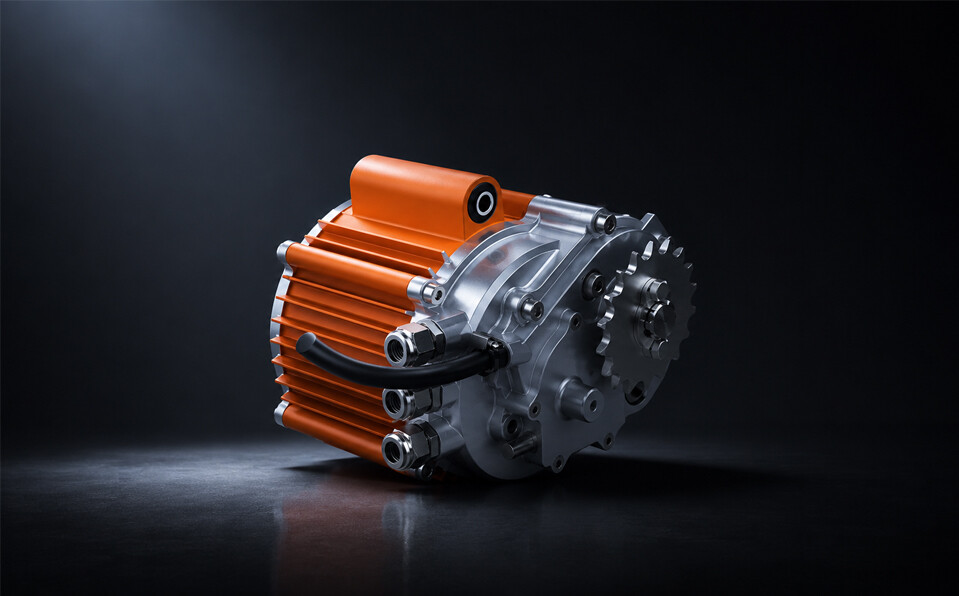
SPECIFICATIONS
VOLTAGE
72V
Maximum Torque
40 N·m
MAX POWER
12 kW
RATED POWER
4 kW
EFFICIENCY
95%
WEIGHT
13.4 kg
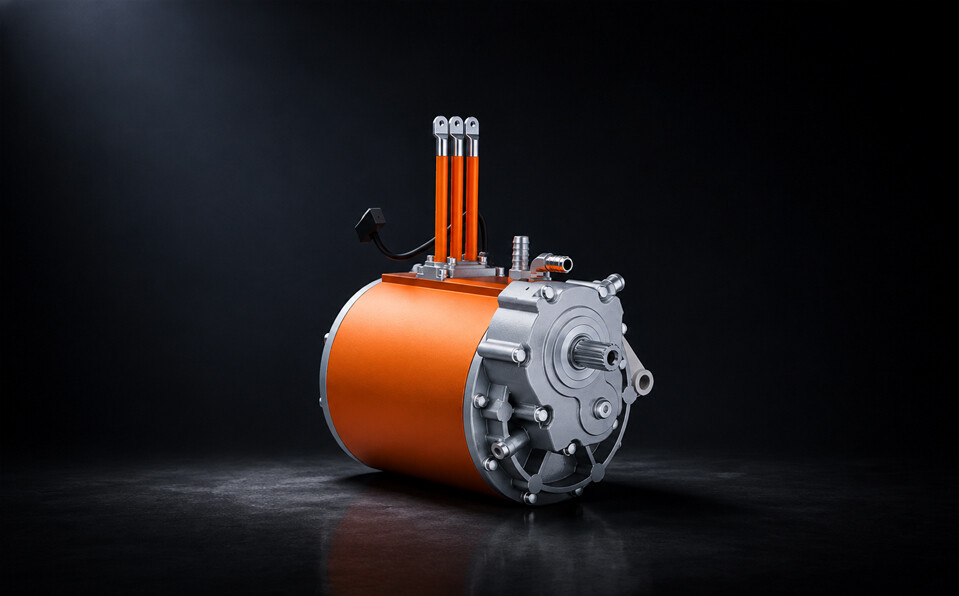
SPECIFICATIONS
VOLTAGE
72V / 96V
Maximum Torque
65 / 72 N·m
MAX POWER
18 / 24 kW
RATED POWER
10 / 12 kW
EFFICIENCY
95%
WEIGHT
12.6 kg
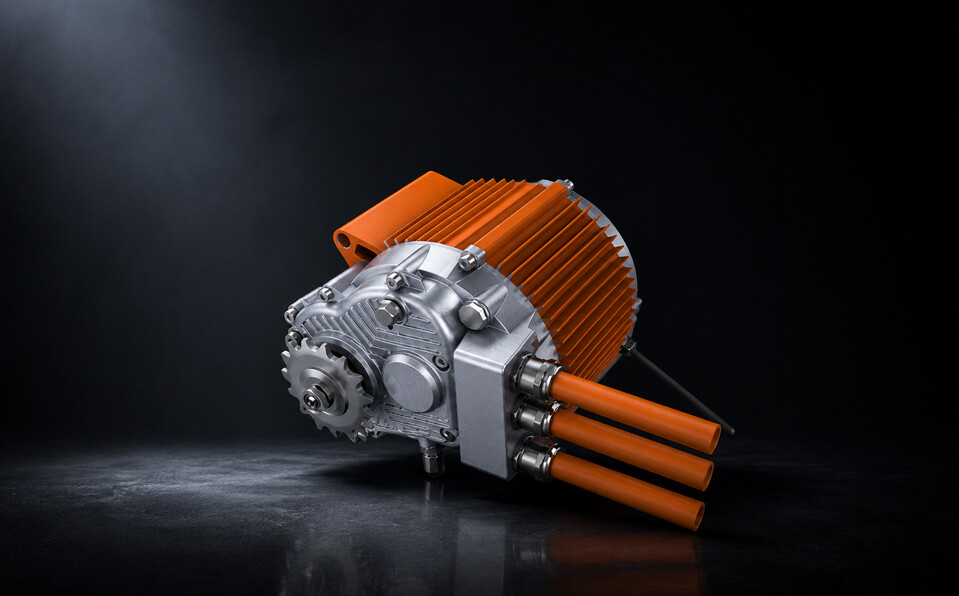
SPECIFICATIONS
VOLTAGE
72V
Maximum Torque
180 N·m
MAX POWER
5.5 kW
RATED POWER
2.5 kW
EFFICIENCY
88%
WEIGHT
14.7 kg
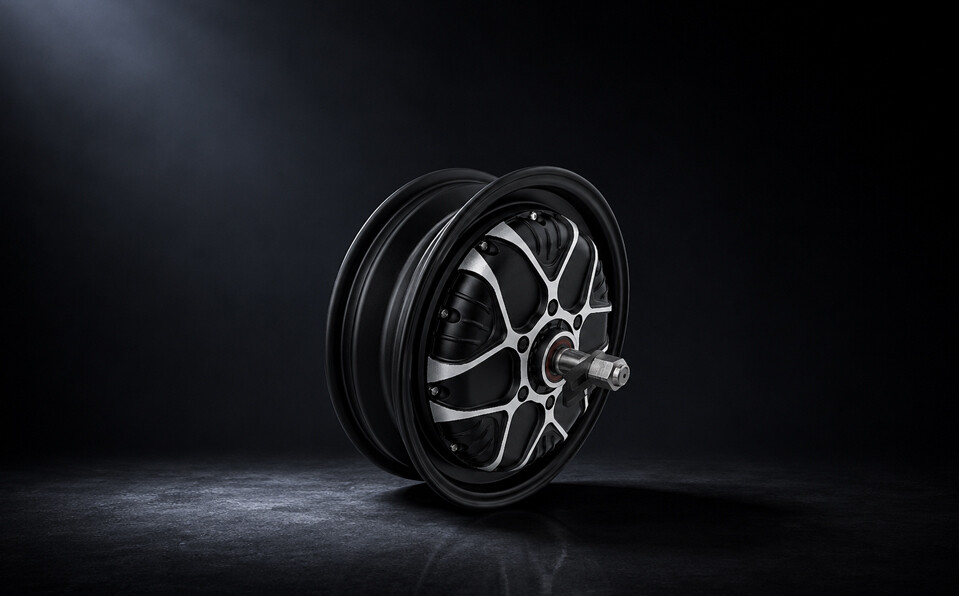
SPECIFICATIONS
02 / Energy
Battery & Energy Management
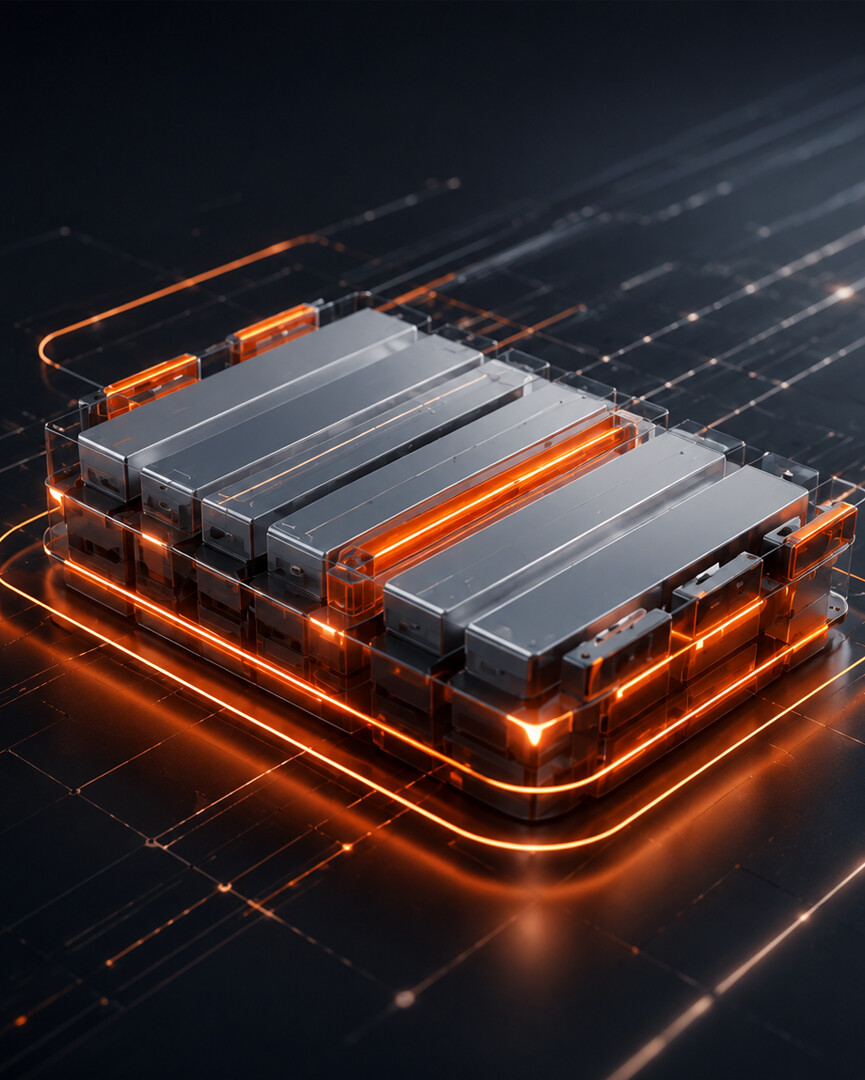
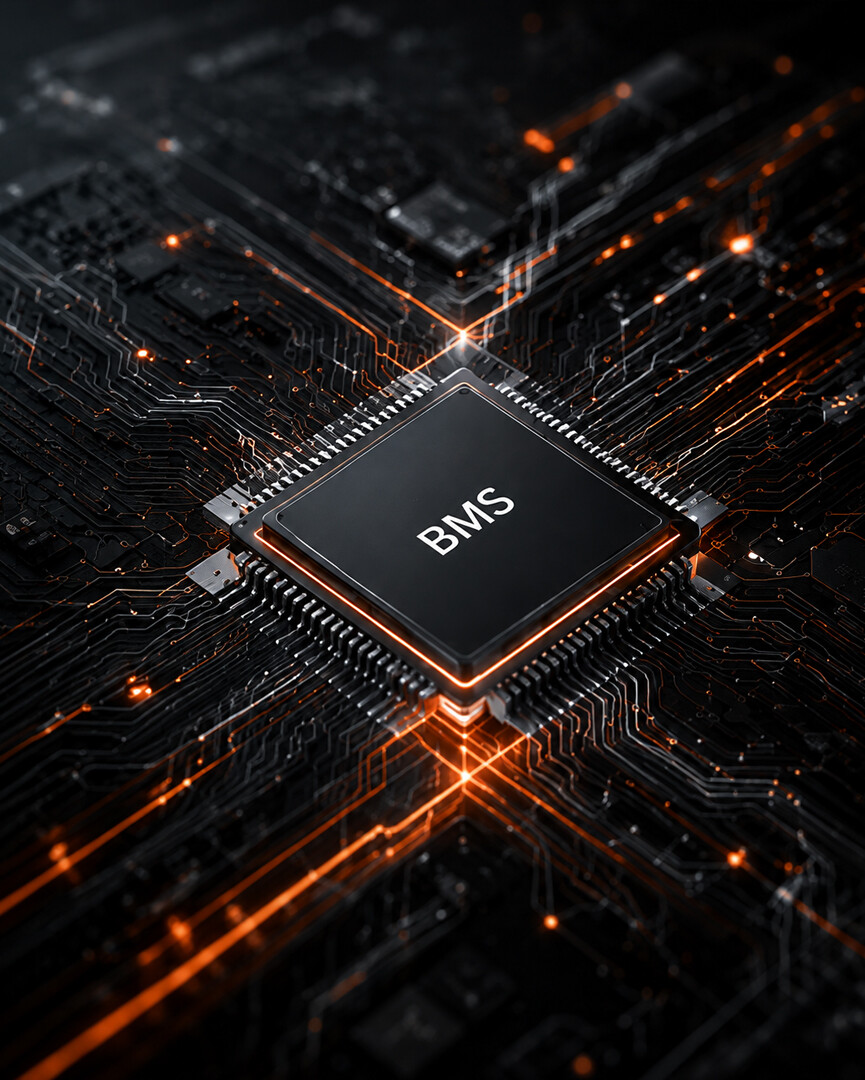
The battery, BMS, and DC-DC converter form a complete energy management chain.

03 / E/E Architecture
Platform Architecture
Four platform architectures covering a complete product spectrum from entry-level to high-performance.
Hobbit-A
Streamlined architecture focused on vehicle handling. Integrated CCU (Central Control Unit) module supports intelligent app expansion.
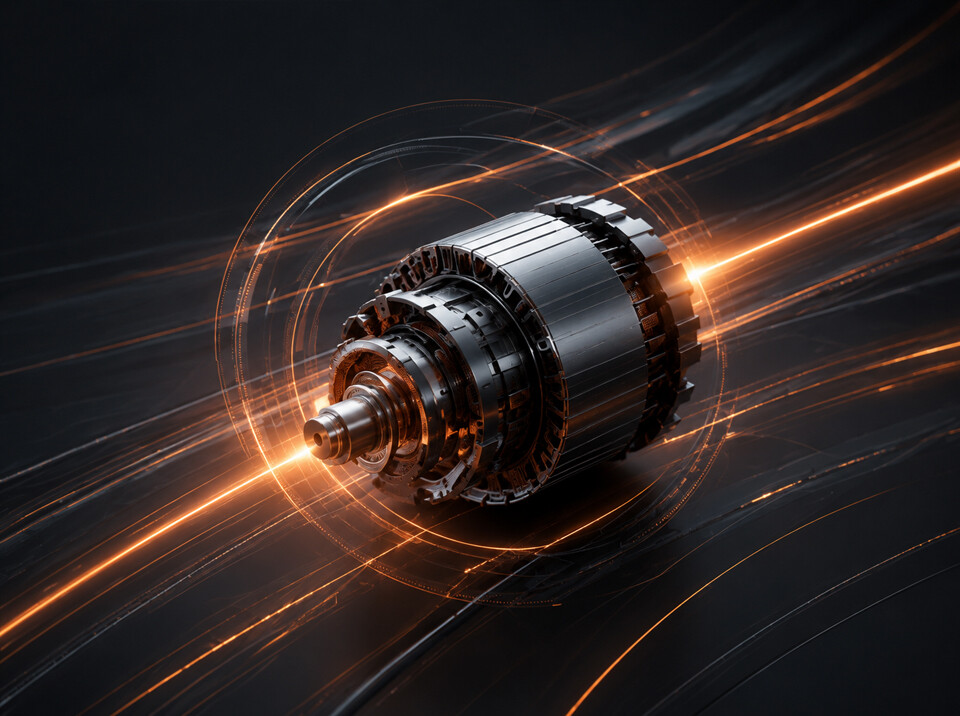
- Streamlined E/E architecture with integrated CCU (Central Control Unit) and CAN communication protocol. Typical applications: off-road vehicles. HV: Motor, Controller, Battery, Charger, DCDC; LV: HMI, BCU-CCU, Horn. Connectivity: BT, NFC.
Hobbit-B
Compatible with GB 24155 standard components, focused on cost control and simplified intelligent applications.
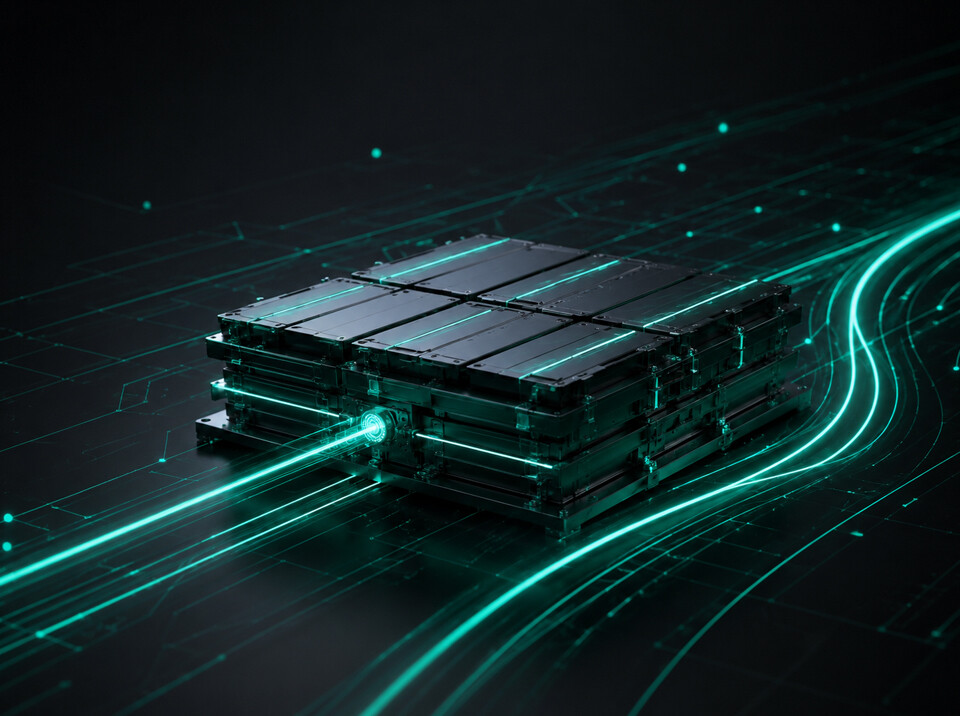
- Compatible with national standard component architecture, focused on cost efficiency. Supports RS485 communication protocol. Typical applications: Commuter vehicles. HV components: Motor / Controller / Battery / Charger / DCDC; LV components: HMI / Horn / Lights. Connectivity: BT / NFC.
Titan
Prioritizes comfort and user experience with rich functionality. Features system-level security controls, intelligent app support, and IoT integration.
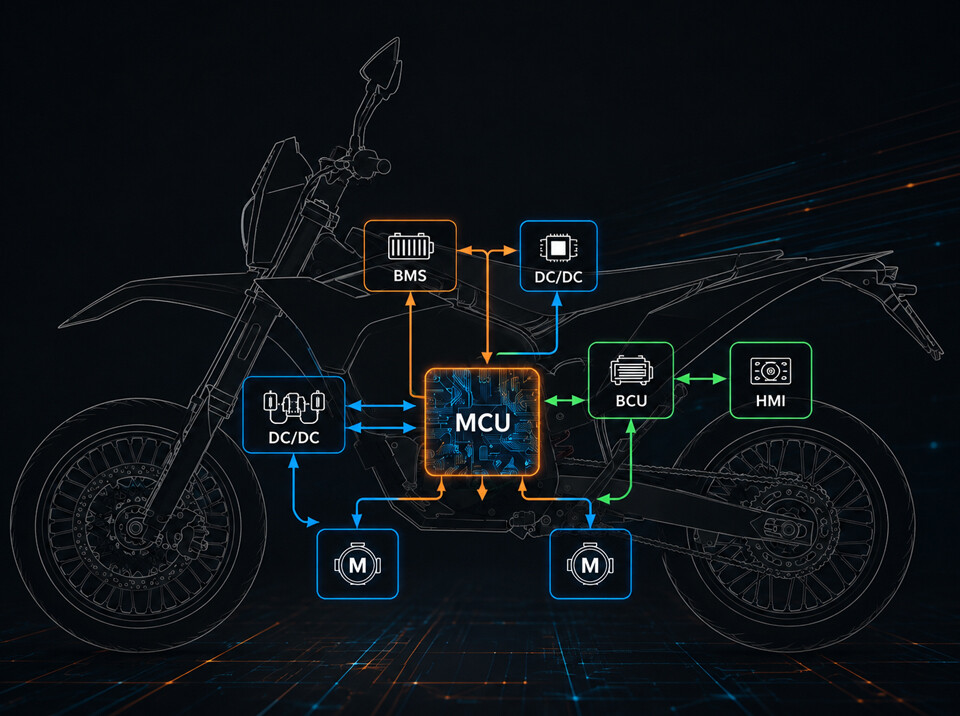
- High comfort and rich features, system-level security control, smart and IoT support, Dual CAN communication network. Typical applications: premium commuter vehicles / touring motorcycles / street bikes. HV: Motor, Controller, Battery, Charger, DCDC; LV: HMI, BCU, TCU. Connectivity: BT, NFC, 4G, GPS, WiFi.
REEV
Extended-range electric platform that extends driving range and alleviates range anxiety. Reduces battery capacity requirements and allows seamless switching between pure EV and extended-range modes. Compatible with Hobbit or Titan architectures.
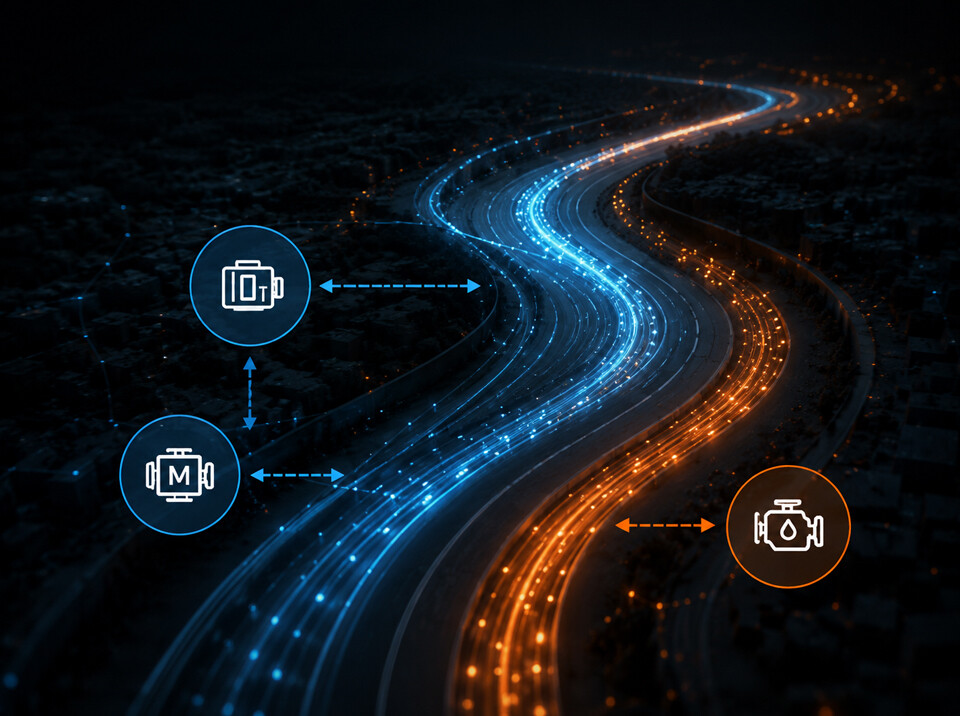
- Extended-range architecture extends driving range, reduces battery capacity requirements, and enables seamless switching between pure EV and extended-range modes. Compatible with Hobbit or Titan architectures; features Dual CAN communication network. Typical use cases: long-distance travel / commercial vehicles. HV components: Generator, Motor, Controller, Battery, Charger, DCDC. LV components: HMI, BCU, TCU. Connectivity options: Bluetooth, NFC, 4G, GPS, WiFi. BEV mode: Battery + MCU + Motor. REEV mode: Battery + MCU + Motor + Engine + Generator.
04 / Vehicle Engineering
Vehicle Engineering
From components to complete vehicles, we possess full-system integration and engineering development capabilities.
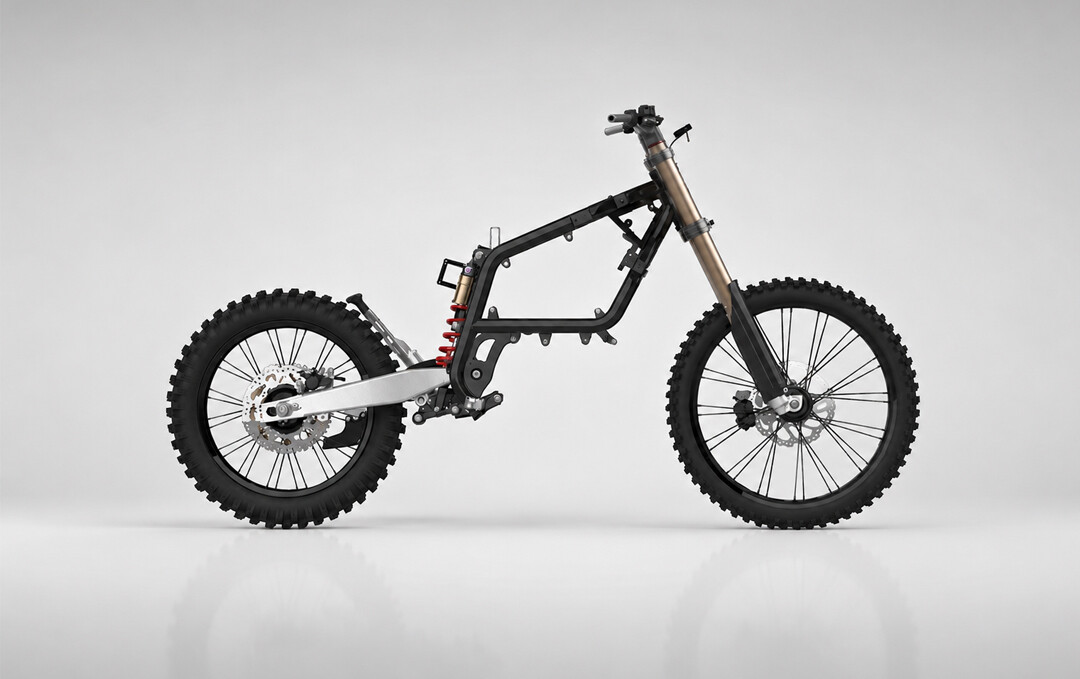
Frame structure
Frame Design
Frame structural design, strength analysis, and lightweight optimization.
Suspension system
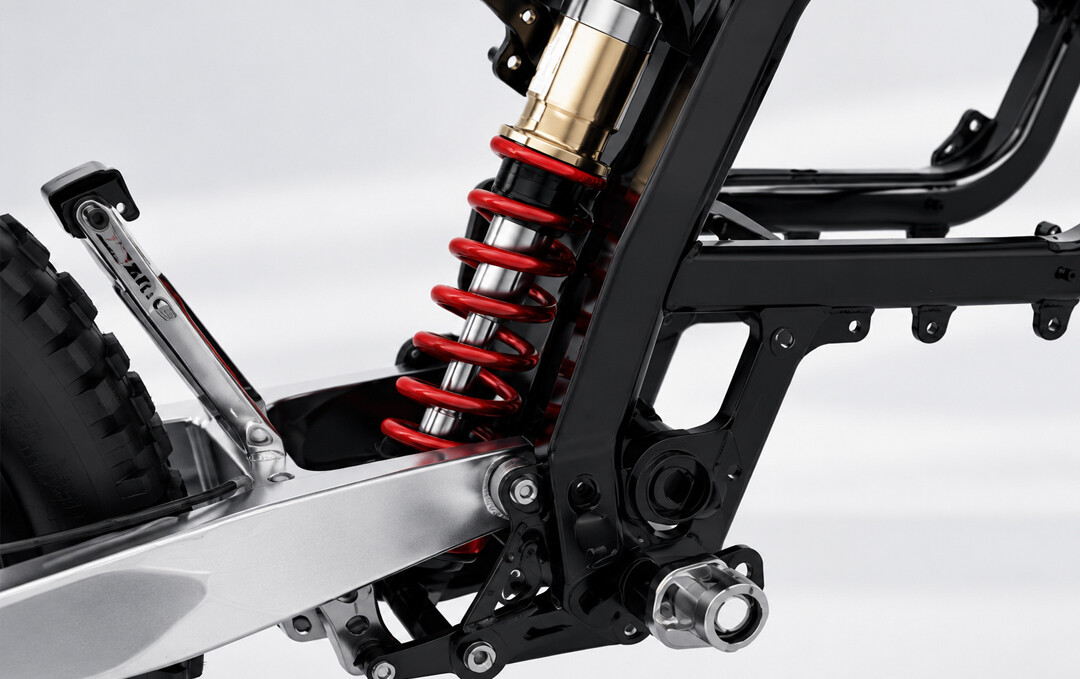
Suspend
Suspension tuning balances comfort with handling stability.
Power Matching
Powertrain Integration
Integration, matching, and calibration of motor, battery, and vehicle systems.
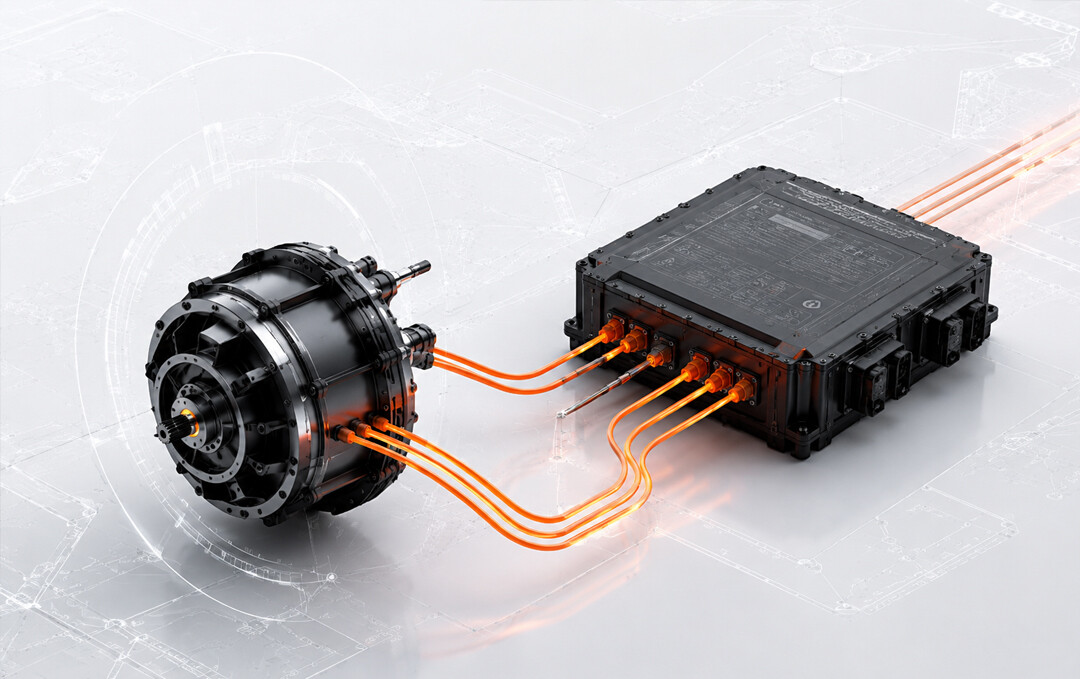
System Integration
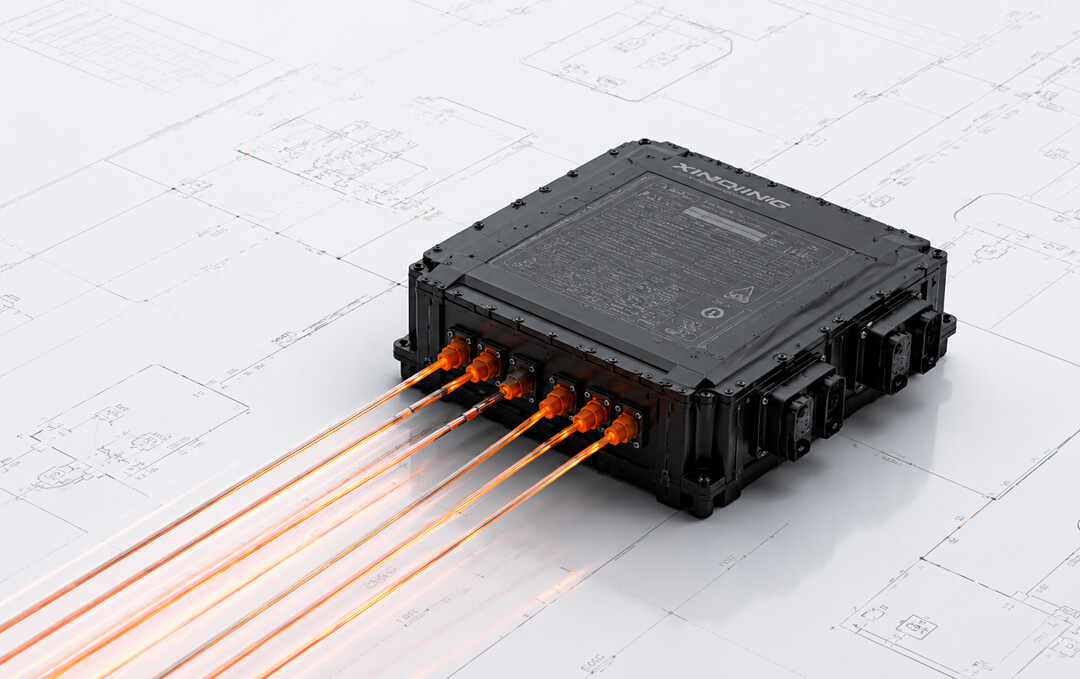
System Integration
Integrated vehicle E/E system architecture, harness layout, and signal management.
05 / Testing & Validation
Testing & Validation
A comprehensive test system covering electrical, powertrain, vehicle-level, and environmental reliability.
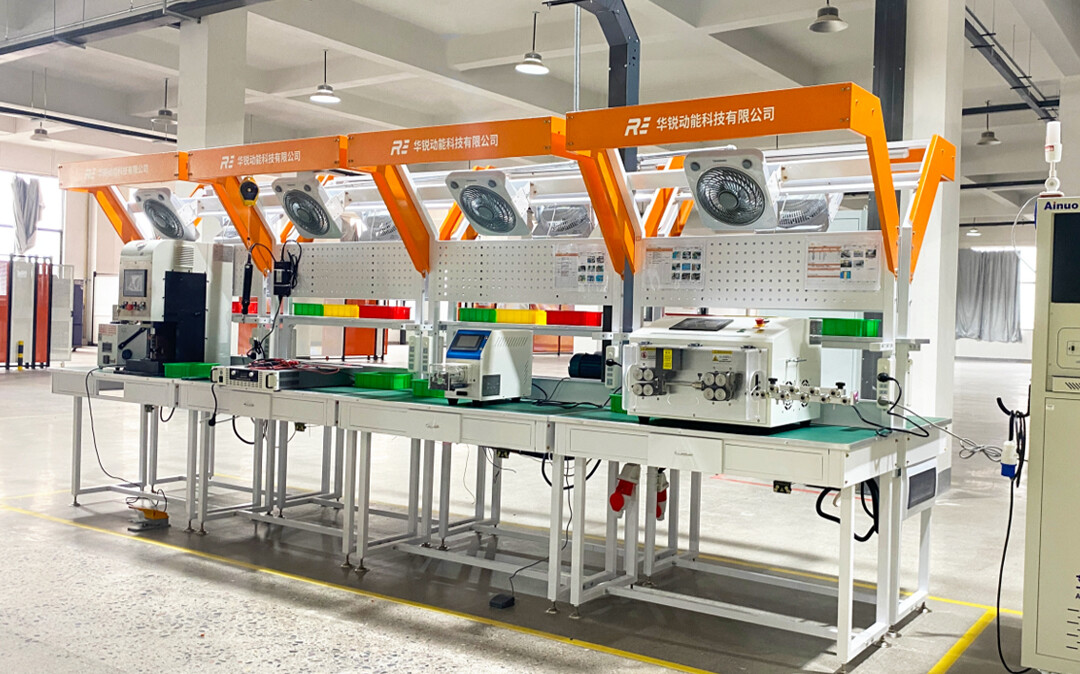
Electrical Test
Electrical TestingPowertrain Test
Powertrain TestingVehicle Test
Vehicle TestingSalt Spray
Salt Spray TestNVH
Noise and Vibration TestingWaterproof & Dustproof
Waterproof and Dustproof06 / Development Process
Development Process
Six stages deliver a complete development lifecycle from product planning to prototype delivery.
Product Planning
Phase 1 — Product Planning
Define product scope, target market, and key performance metrics.
Design Analysis
Phase 2 — Design Analysis
Asset collection, competitive analysis, and design direction definition.
Visual confirmation
Phase 3 — Visual Confirmation
Finalize visual design, render effects, and lock the visual scheme.
Clay model
Phase 4 — Clay Model
Clay modeling to validate 3D form and proportions.
Engineering Design
Phase 5 — Engineering Design
Class A surfacing, structural engineering, and detailed design output.
RP Prototype
Phase 6 — Prototype
Rapid prototype vehicle fabrication and functional validation.
Product Planning
Phase 1 — Product Planning
Define product scope, target market, and key performance metrics.
Design Analysis
Phase 2 — Design Analysis
Gather assets, analyze competitors, and define design direction.
Visual Verification
Phase 3 — Visual Confirmation
Finalize rendering, visual design, and freeze the design.
Clay model
Phase 4 — Clay Model
Clay modeling to validate 3D form and proportions.
Engineering Design
Phase 5 — Engineering Design
Class A surfacing, structural engineering, and detailed design output.
RP Prototype
Phase 6 — Prototype
Rapid prototype vehicle fabrication and functional validation.
OEM / ODM
We build the product.
We can customize yours.
REAL ENERGY possesses full engineering capabilities spanning from product design to complete vehicle development, providing end-to-end technical support for OEM and ODM clients.
Explore OEM / ODM